Category: Health

  • Top Risk Factors for Cardiovascular Diseases

    Top Risk Factors for Cardiovascular Diseases

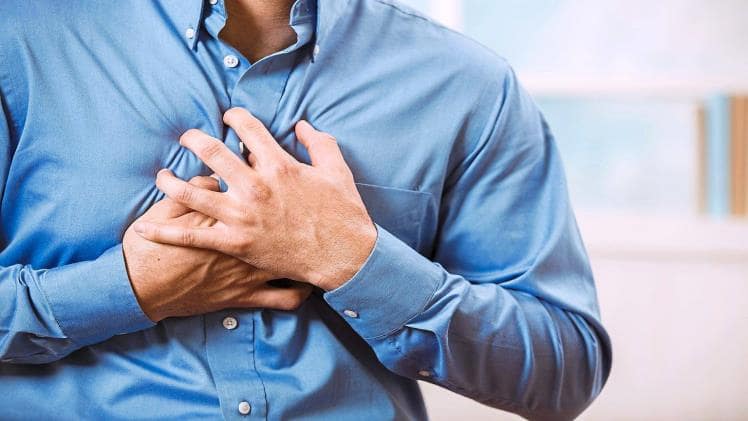
    Cases of cardiovascular disease (VCD) are on the rise in the world. An estimated 82.6 million people are suffering from the condition in the United States. In many circles, the condition is called ‘heart disease.” Different medical experts have attributed the disease’s rise to lifestyle changes among the affected persons. Dr. Jonathan Ellichman Memphis has accumulated more than 20 years in the treatment of the disease. Operating in Memphis, Tennessee, he guides us on the common risk factors for cardiovascular disease. Continue reading to learn more.

    1. Genetics

    In cases where your first-degree relative had CVD, the chances are that you will likely have the condition. However, it is not a must that you will develop the condition when your relatives have it. There is adequate evidence to prove that the disease flows in some families.

    2. Genders

    The condition is more prevalent in men than women. The argument fostered is that men are more prone to lifestyle risk factors than women. In women, the disease strikes more than in men because it is diagnosed when it has gone through several stages. Women develop CVD in the later stages of their life.

    3. Age

    The older you get, the higher your chances of suffering from VCD. Though you cannot control your aging process, if you stay inactive, your body cells become weak, and the likelihood of you having the CVD condition increases. However, it is good to note that the condition is decreasing among young people due to lifestyle changes.

    4. High Blood Pressure (HPB)

    Other than lifestyle conditions, High Blood Pressure has been the greatest cause of hypertension. The condition may be symptomless, but doctors can easily diagnose it at its early stages. HPB is attributed to being overweight, high salt intake, and physical inactivity. There are cases where HPB may be caused by genetics. Another condition that may lead to CVD is diabetes-which also interferes with the free flow of blood in your body.

    5. Physical Inactivity

    When you fail to exercise, you increase the chances of gaining more weight. Fat accumulates in your blood vessels, interfering with the effective flow of your blood. Experts recommend that you should take at least 150 minutes of exercise every week. Physical exercise helps in burning any accumulated cholesterol in your body.

    6. Lifestyle Risk Factors

    In your daily activities, you should note that smoking, excess consumption of alcohol, and eating fatty meals combined with physical inactivity may lead to CVD. These activities lead to the deposition of excess fat in your blood vessels, which causes CVD. Smoking leads to angina pectoris, which leads to pain at the center of your chest for failure to get enough oxygen supply. All these activities may also contribute overnight, which is among the leading causes of CVD. You can control all these lifestyle conditions by sticking to the medical advice given to you by a CVD specialist.

    It is always to be on high alert for your blood pressure status. Always have the conduct of an excellent Cardiovascular surgeon on your speed dial. You do not have to wait until you are diagnosed with the condition. Prevention is better than cure. Therefore, if you feel that you have been exposed to any of the risk factors mentioned above, plan on how to visit a cardiovascular specialist.

  • How to Know the Right Orthotics for You

    How to Know the Right Orthotics for You

    Orthotics provide extra support and cushion to your feet. The devices act like shoe inserts but offer additional benefits like easing pain and strain on your feet. You can easily get over-the-counter orthodontics from local stores, but it is crucial to seek customized products for better results. The Mill Creek orthotics specialists can specifically design personalized orthotics based on your unique needs. Remember that over-the-counter products come in one fit and might not help your unique situation. Working with experts helps you get the right orthotics for your concerns. The following tips can help you when choosing the right orthotics.

    Consider your Favorite Shoes

    Orthotics offer your feet support and cushion but are worn in shoes. Therefore, you must also consider your favorite shoes and ensure that the devices fit well. Go for fitting while wearing your favorite shoes to help measure your feet and your shoes. Let your orthotics be fitted with the shoes you often wear to deliver the best results.

    Consider Why You Need the Orthotics

    Orthotics can be designed to manage a couple of foot complications. Have an accurate diagnosis of your issue to understand the magnitude of your problem. Note the functional foot issues you need to correct, abnormalities you need to manage, or any extra pressure you might need to take off your foot. Your doctor can recommend the right type of orthotics based on your unique needs. Some orthotics, particularly over-the-counter ones, can offer support and cushion to your feet but mask your underlying condition.

    Consider Your Activities

    The nature of your daily activities and dob can affect your orthotic choices. You might need devices with extra functional support for your feet if you spend most of your day standing or are an athlete. Wear-and-tear injuries are common with activities like running, and your doctor can customize your orthotics to match your needs.

    Know the Type of Your Feet

    Everyone’s foot is unique and different orthotics are designed for different foot types. Consult your doctor to understand your type so you can work around the right type of orthotics for you. You might be experiencing certain foot complications due to the nature of your foot. For example, having an overpronated gait can put more pressure on your ankle, causing problems. Your doctor can work to correct the problem and decide the type of orthotics you need depending on the severity of your problem.

    Consider the Support Level You Need

    Different orthotics deliver different support levels. You can either get soft accommodative ones or rigid but functional ones. Rigid orthotics can be good for you if you aim to manage pain in your legs, foot, thighs, or lower back. The orthotic can also benefit you if you love low-heeled, closed shoes. On the other hand, you can gain more from soft orthotics if you are enduring bunions, foot ulcers, or other tender issues. The orthotics aim more to cushion the foot than provide hard support.

    Seek Expert Advice

    Working with an orthotic specialist is one of the best ways to figure out what can work for you. Your provider can look into all your needs to determine the right orthotics. They can also answer any questions about the devices and provide adequate information to help you make informed decisions.

    Get in touch with the Hansen Foot & Ankle specialists if you think you can gain from orthotics. You can call to seek a consultation appointment to understand the options better. Remember that custom-made orthotics can be more beneficial than over-the-counter ones.

  • How to Diagnose Sleep Conditions

    How to Diagnose Sleep Conditions

    Sleep disorders are problems that interfere with or prevent you from receiving enough restorative sleep, resulting in daytime tiredness and other symptoms. Anyone might have sleep disorders from time to time. Furthermore, the intensity and kind of sleeping disorder determine the symptoms that are experienced. Symptoms may also differ when sleep disorders Bridgewater are caused by another ailment. Before starting a physical examination, your doctor will ask about your symptoms and medical background. When choosing the best course of therapy for sleep problems, these tests might be necessary.

    • Electroencephalogram (EEG): This test evaluates brain electrical activity and looks for any potential issues that could be connected. It is also a component of polysomnography.
    • Polysomnography (PSG): Unlike the home sleep study (HST), which is carried out in your house and is used to identify sleep apnea, this lab sleep assessment (PSG) measures oxygen levels, body movements, and brain waves to discover how they affect sleep.
    • Multiple sleep latency tests (MSLT): To assist in identifying narcolepsy, this daytime napping study is combined with a PSG at night.

    An overview of sleep disorders

    Sleep disorders are a range of medical diseases that impair one’s capacity to sleep well regularly. Sleep disorders, whether caused by a medical condition or excessive stress, are growing more widespread in the United States. Most people have periodic sleeping issues due to stress, hectic schedules, and other external influences. However, if these concerns become frequent and interfere with everyday living, they may suggest a sleeping disorder. Depending on the sleep problem, patients may have difficulty falling asleep and feel exceedingly tired during the day. Additionally, sleeplessness can have an adverse impact on energy, mood, concentration, and general health.

    Effects of insufficient sleep

    Not getting enough or excellent quality sleep causes more than simply tiredness. Sleepiness impairs cognitive function, resulting in learning impairments in children, memory impairment in adults, personality disorders, and depression. People who are sleep deprived have difficulty making decisions, are irritated, perform poorly, and have slower response times, placing them at risk for car and work-related accidents. Also, sleep deprivation may have a negative impact on one’s life by leading to the development of obesity, diabetes, and heart problems.

    Sleep problems are not fatal, but they negatively impact your quality of life and impair your thinking, weight, school or work performance, mental health, and overall physical health. Common sleep conditions, such as narcolepsy, insomnia, restless legs syndrome, and sleep apnea, keep you from obtaining the long, deep sleep you require to perform optimally. If you are having issues sleeping, don’t be afraid to consult your specialist. Your health, and hence your quality of life, depends on getting enough sleep. Furthermore, you are recommended to follow your medical provider’s advice and practice proper sleep hygiene.

    The impacts of sleep conditions can be so disruptive that you will likely need immediate relief. Unfortunately, it may take a little longer to address sleep issues that have been going on for a while. However, you can find your way to better sleep if you adhere to your treatment plan and speak with your doctor frequently. Call Respacare to schedule your meeting today to determine which sleep disorder procedure works for you.

  • Dental Exam: What Is It and How Can You Prepare?

    Dental Exam: What Is It and How Can You Prepare?

    If left untreated, dental problems can become very painful and severe, leading to serious complications. Dental exams West Chester are used in detecting and treating such problems, including gum disease and tooth decay. Early intervention makes them easier to treat, increasing your chances of making a full recovery and having healthy teeth and exams. Also called an oral exam or dental checkup, let’s review dental exams, what they involve, and how you can prepare.

    What Is a Dental Exam?

    A dental exam is an official assessment performed by a dentist to check the health of your tongue, teeth, and gums. Regular dental exams help maintain the integrity of your teeth and gums and reduce your risk of potential problems. Because mouth-related medical conditions do not always produce obvious symptoms, these exams can help catch them in their early stages and prompt prevention or treatment. Most adults and children should get a dental exam twice a year.

    Activities Involved in A Dental Exam

    Typically, a dental exam is performed by your dentist but may also involve a hygienist. Some of the most common routines during this procedure include:

    1.     Cleaning

    The dental hygienist sets you up on the dentist’s chair. They then use small metal dental tools to clean your teeth, during which time they may scrape your enamel to remove tartar and plaque buildup. After that, the hygienist will floss your teeth and uses a special electric toothbrush to brush every part of your mouth, including your tongue. They may also apply a fluoride foam or gel to your teeth.

    2.     X-Rays

    A technician may take several x-rays of your mouth to help your dentist check for problems like bone loss, gum disease, and cavities that may not be visible to the naked eye. Depending on where you are with your visits, the technician may perform a full-mouth series (done every few years) or bitewing x-ray, which is more common.

    3.     Checkup

    Next, your doctor will use the information gathered and another exam to:

    • Check for problems like cavities
    • Assess the health of your teeth and gums
    • Check your bite
    • For children, check whether their teeth are growing properly
    • Feeling around your mouth to check for oral cancer.

    Preparing for A Dental Exam

    Preparing for a dental exam is fairly straightforward. You may need to take antibiotics beforehand if you have certain health conditions, including immune system disorders, heart problems, or recent surgery. If you are unsure of whether you need antibiotics, contact your dentist before the procedure to receive instructions. You can also talk to them about any anxiety you or your child might be feeling about the exam and ways they can help you feel more comfortable.

    Scheduling a dental exam at least twice a year is one of the easiest ways to keep your teeth and gums healthy. It can help you and your dentist identify and treat potential oral problems early, so you do not end up with painful and debilitating symptoms. If you are overdue for a dental exam, general dentist Ruchi Trambadia, DMD and his Family Dentistry team are waiting for you. They offer complete dental exams to patients of all ages and are located in West Chester, Pennsylvania.

  • How To Take Care of Typical Sports Injuries

    How To Take Care of Typical Sports Injuries

    Many people have acknowledged the benefits of taking care of our bodies to lead more fulfilling lives. This usually involves eating healthy and conducting enough exercise to maintain proper body shape. However, sports athletes and other physically active people do these exercises for their livelihood or to keep fit. This makes them prone to various sports injuries Edison. These sports injuries are of different types and affect you in different ways. There are multiple treatment plans for these injuries that are highlighted better below.

    What are Sports injuries?

    These are a common occurrence in athletes of all levels. The type and severity of the injury will depend on the sport, the level of competition, and the individual athlete. Some common sports injuries include: 

    •         Sprains and strains
    •         Fractures 
    •         Dislocations 
    •         Concussions

    Sprains and strains

    A sprain usually comes about when a ligament, the tissue that holds two bones together, gets stretched or torn. A muscle or tendon is said to be strained when it is stretched or torn. Tendons connect muscles to bones. Strains and sprains can be caused by overuse, direct trauma, or the wrong way to do something.

    Symptoms include pain, swelling, and bruising.

    Treatment typically involves RICE technique.

    Fractures

    They are a break in the bone. They can be due to direct trauma or overuse. Symptoms include pain, swelling, and bruising. Treatment typically includes immobilization of the affected area in a cast or splint.

    Dislocations

    These come about when the ends of the bone are no longer aligned. They can be caused by direct trauma or overuse. Symptoms include pain, swelling, and bruising. Treatment typically includes immobilization of the affected area in a cast or splint.

    Concussions

    They are a type of brain injury that can occur from a blow to the head. Symptoms include headaches, dizziness, confusion, and nausea. Treatment typically involves rest and avoiding activities that could worsen the symptoms.

    Treatment plans

    Sprains and strains are treated with the RICE method:

    •         Rest: The injured site should be allowed to rest and heal
    •         Ice: Several times a day, you should put ice on the hurt area for 20 minutes at a time.
    •         Compression: To help reduce swelling, a compression bandage should be placed on the hurt area.
    •         Elevation: For less swelling, the hurt area should be raised above the level of the heart.

    Fractures are treated by putting a cast or splint on the broken area to keep it from moving. This helps the bone to heal in the correct position.

    A cast or splint is used to keep the area from moving for dislocations. This helps to keep the bone in the correct position and allows it to heal correctly.

    To treat a concussion, you need to rest and avoid doing things that could worsen the symptoms. This allows the brain to heal properly.

    Sports injuries are unique because they need specialized treatment and management to deal with these issues and prevent them from recurring. These injuries can affect your livelihood, especially if you are doing it professionally. This has encouraged the practice evident from the emergence and development of specialized facilities. If you are considering getting your sports injury looked at, check our webpage, or call our offices in Edison, NJ.

  • How to Deal With Spider Veins

    How to Deal With Spider Veins

    Although you might treat the discoloration on your feet as a cosmetic issue, sometimes it may indicate a serious health concern. The discoloration might be associated with itching, pain, and swelling caused by spider veins Edina. Spider veins cause weakness of the blood vessels leading to blood pooling which looks like blue, purple, or red webs on the legs. Fortunately, you can eliminate spider veins with remedies such as lifestyle changes, surgeries, and laser therapy. These are ways to eliminate spider veins and prevent them from spreading to the healthy veins in the legs.

    Lifestyle Changes

    •  Exercises

    Exercises might alleviate the spider veins symptoms as they promote muscle health, making it easy to pump blood to the upper body. The veins may depend on the flexibility of the muscles to pump blood. Moreover, exercises improve circulation and prevent blood pooling in any part of the body, thus eliminating the spider veins.

    •  Elevating the Feet

    You might develop spider veins if you spend a lot in a stationary workstation, but you can elevate your feet once you get home. However, you can improve circulation by walking around or taking short breaks from the workstation. Walking or standing might improve blood circulation as the leg muscles push blood up the veins.

    Compression Stockings

    The compression stockings and socks will exert pressure on the veins on the feet and improve circulation leading to better control of the spread of the spider veins. Although you can opt for store-bought compression stockings, you should choose custom-made ones as they meet your health needs. However, you should avoid compression stockings if you have heart problems, as they alter normal blood circulation.

    • Sclerotherapy and Closure

    Sclerotherapy is a minimally invasive procedure dealing with spider veins and injecting an irritant directly into the affected veins. The spider veins will stick together due to irritation, thus cutting the flow to the area. Sclerotherapy may reduce swelling and cause vein shrinkage, and the spider veins will disappear with time. However, you may require several sclerotherapy treatment sessions to get the desired results.

    Laser Treatment

    Laser treatment works for spider veins as a health care provider treats the small veins with high-beam energy. The beams can seal off the veins close to the skin, thus preventing the spread of the spider veins. The laser causes the blood to clot or dries up in the veins, and the discoloration will subside over time. Although the procedure is minimally invasive, it might be less effective for dealing with spider veins.

    Surgery

    Although surgery might be the last option when dealing with spider veins, it is effective for varicose veins. It is effective for extensive varicose veins, which cause sores on the legs, swelling, and pain.

    Spider veins might look like a cosmetic problem but show serious underlying issues requiring immediate medical attention. Thus your doctor might recommend home remedies such as elevating the feet whenever possible and using compression stockings and exercises to alleviate the health concern. However, they may administer minimally invasive procedures like laser treatments and sclerotherapy to alleviate minor spider veins and opt for surgery to deal with varicose veins.

  • What Can Morpheus8 Treat?

    What Can Morpheus8 Treat?

    Morpheus8 is a minimally invasive skin rejuvenation procedure that uses radiofrequency energy to give your neck, face, and body a youthful appearance. The treatment is ideal for patients who want to enhance their skin appearance without surgery or laser procedures. Morpheus8 Montana Avenue in Santa Monica aims to improve the appearance of your skin without any downtime or surgical incisions.

    Some of the main concerns your doctor can address with Morpheus8 include:

    Acne scarring

    A common concern among patients looking to improve their skin appearance is acne scars. In these cases, Morpheus8 can help you achieve a smoother, more even complexion while helping reduce inflammation and redness associated with acne scars. With this treatment, your doctor can also treat existing scars with minimal downtime, resulting in more rapid healing time than traditional lasers or chemical peels.

    Wrinkles and fine lines

    The Morpheus8 radiofrequency device is designed to deliver energy to targeted areas of your face. This energy helps stimulate collagen production, which can help reduce the appearance of fine lines and wrinkles. This treatment can also help improve your skin’s volume by increasing collagen production in the dermal layer (the outermost layer of your skin).

    Skin laxity

    Morpheus8 also helps improve skin laxity by stimulating collagen production in the dermal layer. By enhancing this vital layer of skin, your cosmetic specialists can help create a more youthful appearance for those with loose collagen-filled skin lacking firmness and elasticity.

    Enlarged pores

    A common concern for many people is enlarged pores, which can lead to acne breakouts. Morpheus8 uses radio frequency technology to heat the collagen fibers in the skin, which causes them to contract and shrink back to their standard size. That results in smaller pores that look more natural and appear smoother.

    Sun damage

    Sun damage is one of the most common complaints that people have when it comes to their skin. Morpheus8 is ideal for treating sun-damaged skin due to overexposure to the sun’s harmful rays over time. The result is an overall skin tone and texture improvement that can help minimize wrinkles and fine lines that form as we age.

    Stubborn dark spots

    Dark spots are caused by hyperpigmentation when melanin levels in your skin increase too much. Hyperpigmentation can occur due to aging, sun exposure, and other factors like pregnancy and certain medications. Morpheus8 can help fade these stubborn dark spots while improving your skin’s overall appearance by reducing fine lines and wrinkles.

    Rosacea

    Rosacea is a common skin condition that causes redness on the cheeks and nose. Rosacea can be treated using radiofrequency technology, which reduces inflammation and improves overall appearance by tightening sagging skin and reducing acne scars, in addition to reducing redness and inflammation caused by rosacea symptoms.

    Morpheus8 is an FDA-cleared procedure using safe and adequate levels of radiofrequency energy to treat wrinkles, frown lines, scars, and various cosmetic issues. If you have concerns about your skin and are considering Morpheus8, you should speak with your doctor. Contact Self Care LA and arrange a consultation with a specialist to learn more about Morpheus8 and how it can help improve your skin appearance.

  • Advantages of BodyTite Therapy

    Advantages of BodyTite Therapy

    Balanced diet and exercise are the most often employed methods for reducing weight. However, no matter how much you exercise or how well you eat, there are pockets of fat that refuse to disappear. There’s little you can do on your own in this case, but by working with a Waxahachie, TX bariatric surgeon, you may have access to cutting-edge fat removal technology, such as BodyTite. BodyTite is an advanced body contouring technology that targets regions with persistent pockets of fat resistant to exercise and nutrition. Here are common benefits of utilizing BodyTite.

    1. Minimally invasive: Everyone desires a beautiful body shape, but few individuals are ready to have incisions in their bodies only to remove stubborn fat deposits. This is due to the numerous disadvantages of surgical treatments. BodyTite is less invasive, making it more practical for normal, working individuals who cannot afford to spend several weeks in the hospital or at home recovering from a cosmetic surgical operation.

    2. Effective: BodyTite’s efficacy is one of its major advantages. You will notice significant changes immediately following the operation. Moreover, the outcomes will improve over time.

    3. Comfortable and safe: BodyTite employs radio-frequency radiation, which is non-toxic to the body. Also, BodyTite has been authorized by the FDA, which means it is safe. You may feel mild adverse effects, but they quickly resolve on their own. The technique is relaxing, allowing you to rest and relax your entire body.

    3. Versatility: BodyTite is also quite versatile, which is a huge advantage. The treatment, for example, may be used to remove fat from various locations, including the belly, hips, legs, and arms. In addition to eliminating resistant fat, the process tightens the skin, ensuring that the skin does not droop after the surgery.

    4. Outpatient technique: BodyTite is an outpatient process that won’t take long. The technique typically takes two to three hours. However, because it is performed under oral sedation and local anesthesia, you may not be recommended to drive yourself home after the surgery.

    An overview of BodyTire treatment

    BodyTite is a non-surgical alternative to surgical liposuction for decreasing extra body fat. The heat from radiofrequency technology is used to tighten loose skin, reduce fat, and tone underlying tissue for improved body shapes and a smaller look. After applying heat to specific body locations, dead fat cells are naturally removed from the body via filtration mechanisms while the skin contracts in response. BodyTite targets the same extra fat sites on the body as surgical body sculpting methods. Additionally, BodyTite may be used to treat the belly, arms, thighs, knees, back, neck, and chest. Because the body gradually destroys dead fat cells, effects are visible two weeks following the surgery and last up to six months.

    BodyTite treats the same regions as surgical fat removal but with a lower chance of scarring, making it an excellent solution for visible body areas. Though the benefits are not as quick as surgery, BodyTite permanently destroys fat cells, just as surgical procedures do. Moreover, BodyTite allows you to remove stubborn body fat and tighten loose skin without surgery’s dangers and adverse reactions. Call LoneStar Bariatrics to schedule your meeting today to learn more about the BodyTire treatment.

  • What Should You Know About Women’s Health?

    What Should You Know About Women’s Health?

    Did you know heart disease is a leading cause of death in women? More women die of stroke too. Not to mention the reproductive health issues, the list is endless. All these issues put women’s health at risk, demeaning their life quality. We can improve their health and wellness by providing access to health care. Usually, early detection of these health issues helps prevent complications and enhance successful treatments. Aurora OB/GYN provides quality healthcare services, including gynecology, obstetrics, and aesthetics, to promote women’s health and wellness. Here are some of the available services.

    Fertility

    According to research, about 12% of women aged 15 to 44 have fertility problems in America. Different factors may contribute to infertility, including age or reproductive health problems. Your provider works with you to find the root of your problem and provide customized treatments.

    Various conditions cause fertility issues in women, such as uterine fibroids, pelvic inflammatory disease, ovulation disorders, and endometriosis. You may suspect fertility problems if you stay more than six months or a year without getting pregnant. Seeking a fertility evaluation can help solve your problem.

    Available fertility treatments include in-vitro fertilization, medications, laparoscopic surgery, and intrauterine insemination.

    Contraception

    Contraception or birth control involves methods used to prevent pregnancy. There are several birth control methods, and you may need the help of a healthcare provider to find a suitable contraceptive. Your doctor works with you, evaluates your health history, and discusses your goals to help find you the best method.

    There are various available birth control methods, including implantable birth control, intrauterine devices, birth control pills, and vaginal rings. They are both short-term and long-term options, depending on your family planning goals. Any sexually active individual can benefit from contraception.

    Contraception helps you plan for your family, allowing you to grow healthy children.

    Pregnancy

    Pregnancy is a wonderful and precious journey in womanhood. However, it has its challenges too, and walking with a health provider may be helpful. Your doctor offers comprehensive prenatal care to enhance your health during pregnancy.

    They also prepare you for safe delivery and help you choose your delivery method.

    Weight loss

    Excessive weight can be a problem for many women, affecting their health and confidence. Weight loss helps lower the health risks and allows them to enjoy a naturally fit body. Various weight loss methods are not usually effective, especially in maintaining your results.

    Your provider offers a customized weight loss program that helps achieve your weight loss goals. It may include exercise plans and nutritional counseling.

    Menopause

    Menopause is the stage where the menstrual cycle stops. In addition, other changes happen in your body, such as a decrease in your hormone production, resulting in uncomfortable symptoms.

    You may experience hot flashes, insomnia, mood swings, thinning hair, night sweats, vaginal dryness, depression, and weight gain. These symptoms may affect your quality of life. Your provider offers hormone replacement therapy to restore your hormone imbalance and alleviate your symptoms.

    Contact the team at Aurora OB/GYN today to schedule your consultation and access all your women’s healthcare services.

  • 6 Common Spine Surgery Options

    6 Common Spine Surgery Options

    Every time you move, the spine provides your body with stability and strength. Also, your spinal vertebrae (bones) safeguard the spinal cord. As a result, a skilled orthopedic surgeon must handle any issues with your spine. Minimally invasive procedures will be used initially to relieve your pain or chronic back difficulties. If they do not fix the condition, your orthopedist may recommend minimally invasive spine surgery. There are various forms of spine surgery New York that can benefit those suffering from back discomfort, including the following:


    1. Spinal Cord Stimulation

    A spinal cord stimulator (SCS) is implanted beneath the skin to transmit modest electric currents to the brain to inhibit pain sensations. An epidural injection is a non-surgical technique that helps to relieve pain. This treatment is performed in the region around the spinal cord. Also, the medication dosage provides only short pain alleviation.


    2. Laminectomy

    During a laminectomy, the lamina, or the back of the spinal canal, is removed. This operation is also used to help widen the spinal column in those who have spinal stenosis. It relieves pain produced by pressure on the nerve roots.


    3. Foraminotomy

    Foramina are openings through which veins, muscles, or other structures might flow to connect to other parts of the body. This surgical treatment decreases nerve pressure caused by intervertebral foramina compression.


    4. Corpectomy

    The vertebral body is removed during a corpectomy. Bone grafts are typically used to replace removed bones in a surgical technique known as bone grafting. A corpectomy is used to heal and relieve the pressure caused by complicated bone fractures.


    5. Vertebroplasty and kyphoplasty

    Vertebroplasty and kyphoplasty are minimally invasive operations defined as “vertebral augmentation” that are used to treat vertebral compression fractures caused mostly by osteoporosis or vertebral collapse. The doctor inserts a needle into the vertebrae and either fill them with cement (vertebroplasty) or inserts a piece of balloon-like equipment to create space between the bones to fill with cement (kyphoplasty). The procedures should be conducted within eight weeks of the fractures for the best results. Unless numerous vertebrae are to be operated on, the process usually takes around an hour. You are usually allowed to go on the same day of treatment; however, you may be kept for an extra day or two as a precaution.


    6. Herniated disc surgery

    The surgeon will eliminate part or all of the damaged disc during a herniated disc repair procedure. To relieve disc pain, the physician may remove the disc entirely and let the two neighboring vertebrae fuse; however, spinal fusion results in the inability to move that area of your back. Additionally, spinal fusion surgery is significantly safer and less hazardous than in previous years.

    Several factors influence the success rate of spinal surgery. Your surgery procedure, the problem you are aiming to correct, your surgeon, your aftercare plan, and other factors all contribute to the outcomes you may encounter. For example, the success rate of low back surgery may differ based on whether your low back discomfort is caused by a pinched nerve or a herniated disc. Call Comprehensive Orthopedic & Spine Care or book your consultation online to determine which spine surgery procedures are ideal for you.